To be honest, I’m not exactly thrilled about spending my days buried in the workshop, cutting printed fabric labels.
After all, my primary role is promotion—getting our factory noticed by clients who need high-quality fabric labels. Spending the whole day on this task leaves me almost no time for marketing. But I have no choice; the worker usually responsible for cutting this specific label took leave to visit their hometown.
This batch is destined for the US market, so quality requirements are incredibly strict. The person cutting these labels needs to be relatively young with sharp eyesight. That said, we don’t mind high standards; what we fear is a lack of standards.
We currently have three workers cutting wash care labels. The other two have been with the factory for nearly 20 years; they are on the older side, and their eyesight isn’t what it used to be. Even with my 5.0 vision, I find it a real strain—the client is extremely strict and allows absolutely no defects.
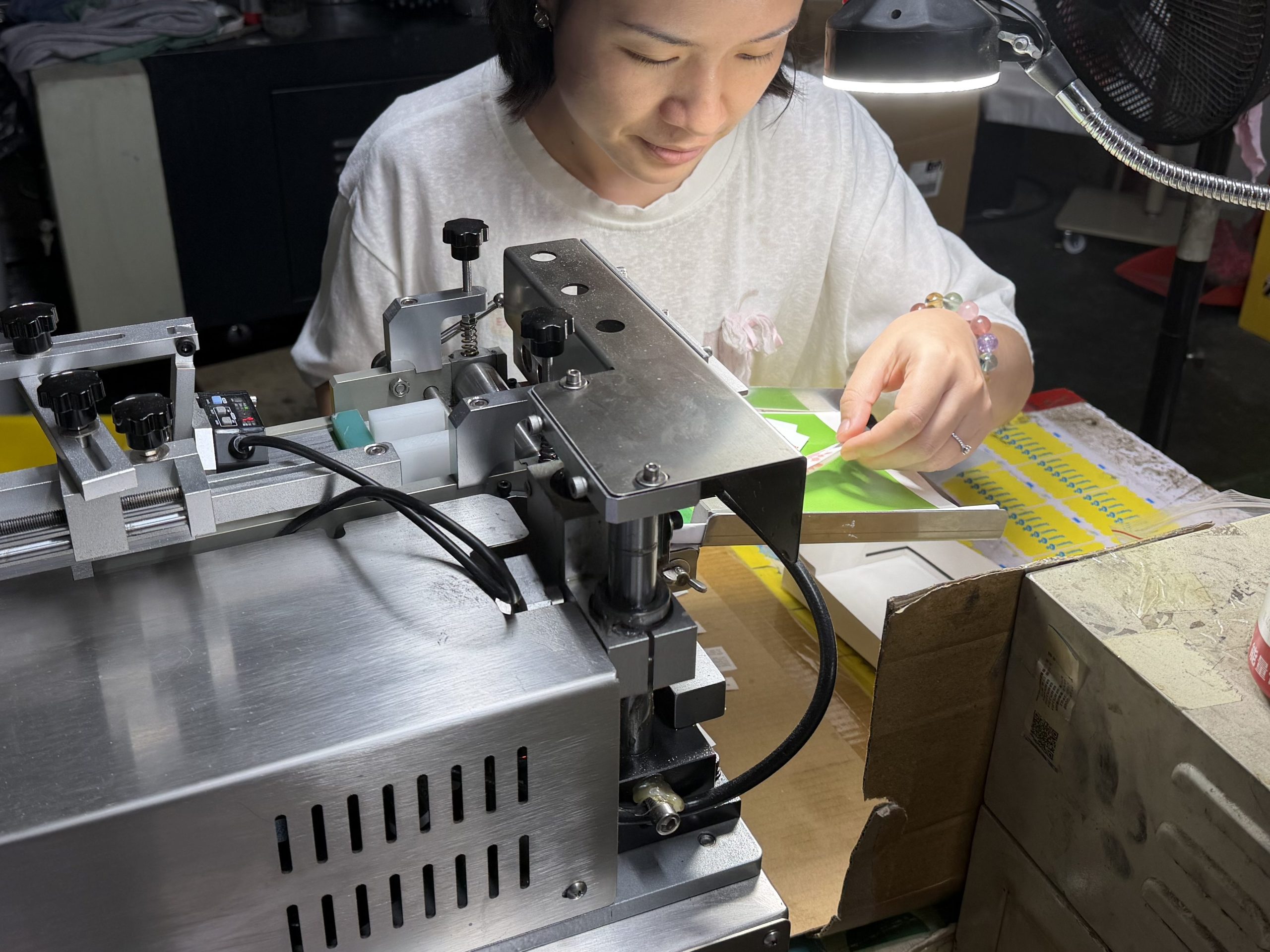
This has made me realize that we need to train younger workers—people who have the patience to sit in the workshop and the attention to detail required for the job.
Yesterday, I contacted two experienced label cutters. Since today is Sunday and they were off work, they were able to come over and help us out.
When they arrived this morning, I explained the requirements and showed them some defective samples we’d set aside to serve as quality benchmarks. They examined them closely and felt our client’s standards were incredibly harsh. They felt that if a client couldn’t accept tiny imperfections—the kind that take real effort to spot—then the job carried too much pressure and responsibility for them to handle.
Our requirements for label cutters are indeed high; we need them to perform quality inspections while they cut. I’ve seen other printed fabric label manufacturers on social media using large, clear collection belts to catch the labels, with a single operator overseeing multiple machines running simultaneously. That kind of work is much easier and far less stressful.
With these double-sided printed fabric labels, the heat-setting process carries a small risk of ink smudging from the back onto the front. It is only during the cutting stage that the front of each label is fully revealed. Only by conducting quality inspections alongside the cutting process can we effectively control the defect rate. A final inspection by a dedicated quality controller before shipment ensures the kind of dual-layer oversight needed to deliver products that truly meet quality and quantity standards.
A label-cutting worker who had asked for time off once made a remark that really stuck with me: “One of the best things about our factory is that the bosses—from the top down—all know how to cut labels.”
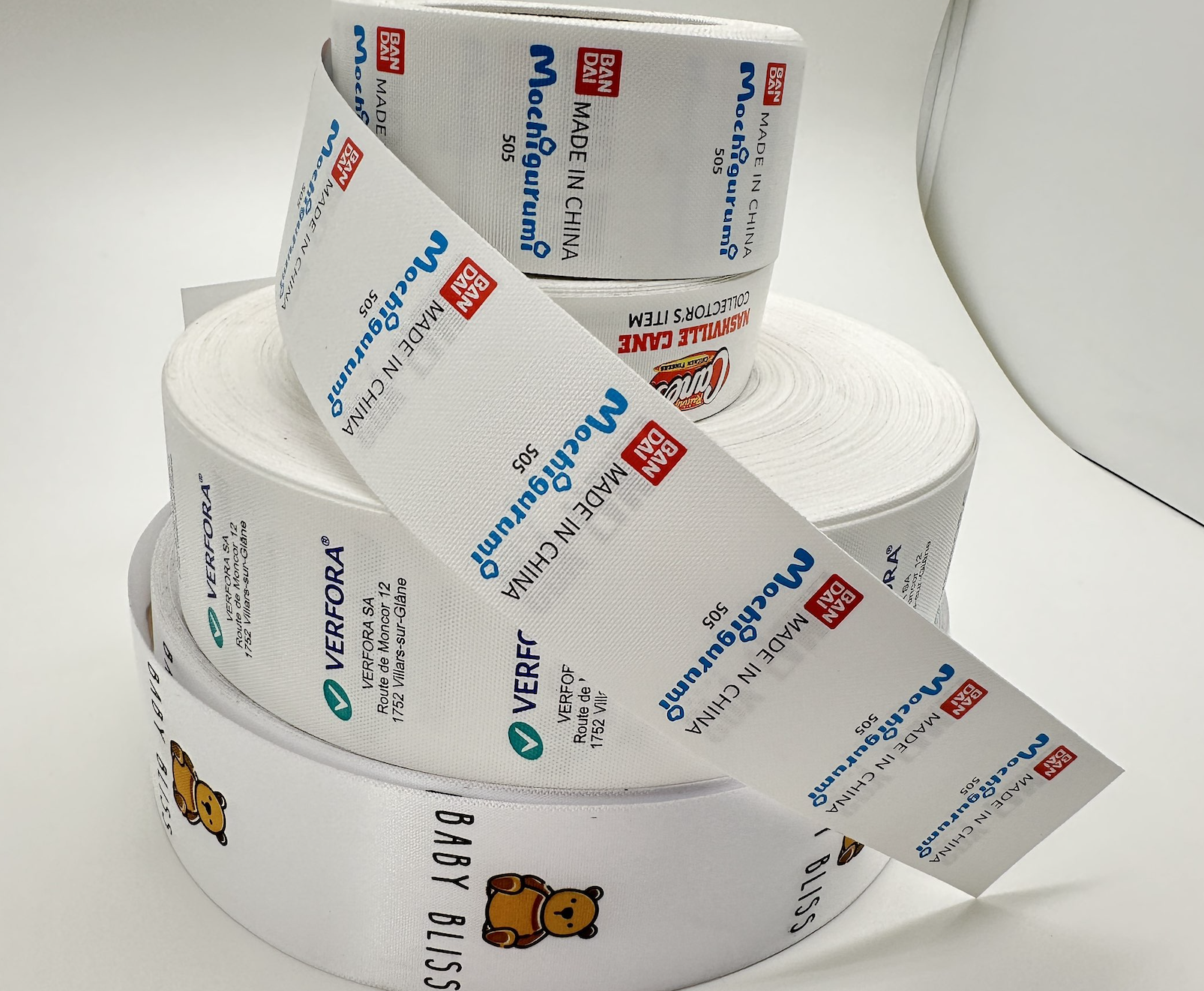
In the garment label industry, we rely heavily on human expertise; the quality of the product depends primarily on the skill of the machine operators, while high-quality equipment is merely an added bonus. That is why I constantly remind myself to work on the shop floor just like any other employee and to thoroughly master every step of the process. As the owner of a small factory, you have to understand every aspect of the business.
Today, I enlisted my husband and my father to help rush out an order. When dealing with clients who demand such high quality, if we can’t find the right personnel, we have to step in and handle the work ourselves.
If the printed fabric labels didn’t turn out to your satisfaction, you should try working with Ruan Qiuyue.
———————
If you would like to know more about Ruan Qiuyue, you can follow her Facebook account.